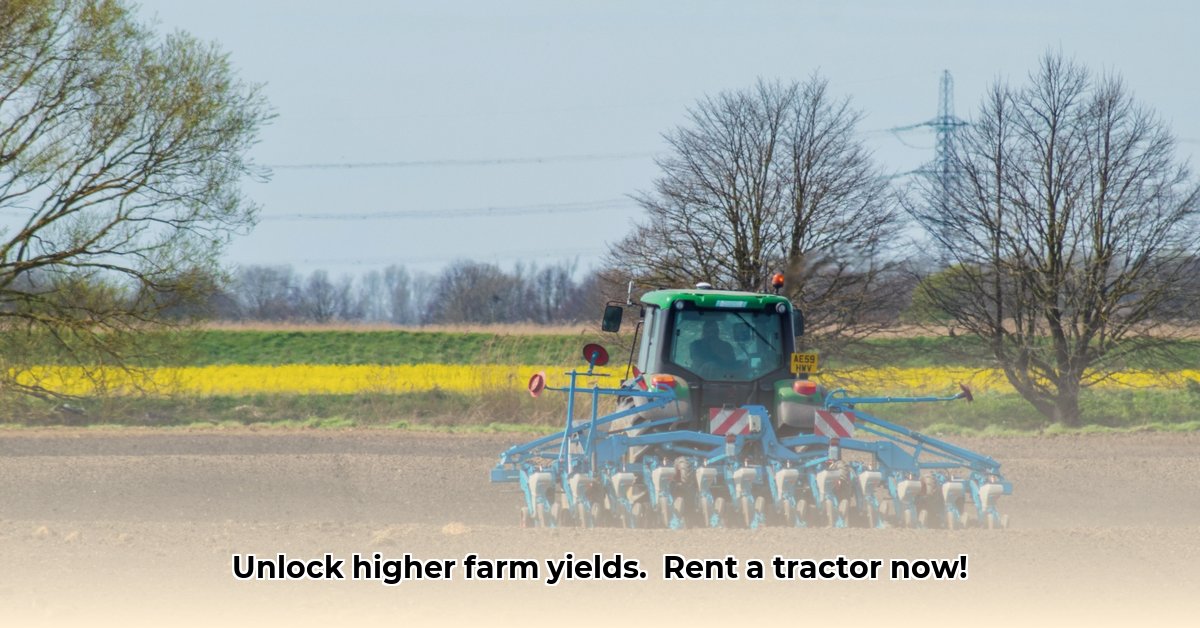
Imagine this: It's planting season, the rain threatens, and your crops are waiting. But your aging tractor is on its last legs, beyond repair. Finding a replacement, or even a rental, proves impossible in your rural community. This isn't a fictional scenario; it's the reality for countless small farmers facing a widening gap in access to essential agricultural equipment. This critical disparity, highlighted by the stark contrast between regions like California's Central Valley and more isolated rural communities, is hindering farm productivity and threatening the livelihoods of many. For rental options, check out tractor rentals. This article explores the roots of this problem, analyzing the challenges faced by small farmers, and proposing actionable solutions to ensure all farmers have access to the equipment they need to thrive.
The Great Tractor Divide: Unequal Access to Essential Farm Equipment
The availability of tractors for hire varies dramatically across the country. A simple online search reveals a stark contrast: in some areas, like California's Central Valley, numerous rental companies offer a wide selection of tractors and equipment. These areas boast robust infrastructure and a large pool of potential customers. However, in other, more isolated rural regions, finding a rental tractor can be nearly impossible. This isn't merely an inconvenience; it’s a significant economic barrier for small farms and directly impacts their ability to plant, cultivate, and harvest crops efficiently. Without timely access to equipment, farmers risk reduced yields, financial losses, and eventual farm closure.
Unpacking the Problem: Why the Tractor Gap Exists
Several interconnected factors contribute to this unequal access. Geographic isolation plays a significant role; rural areas often lack the robust infrastructure needed to support a thriving rental equipment market. Transportation costs associated with delivering, maintaining, and servicing tractors in remote locations can be prohibitive for rental companies. Furthermore, the high initial cost of tractors presents a substantial financial barrier for small farmers; purchasing outright is often unattainable, while access to affordable leasing options remains limited. Finally, a lack of comprehensive data hinders our understanding of the problem’s true scope and makes it difficult to develop effective solutions. This data deficit has severely hampered efforts to bridge the equipment gap.
Leveling the Playing Field: Actionable Steps Towards Equitable Access
Addressing the tractor gap requires a multifaceted approach with concrete actions from various stakeholders:
For Small-Scale Farmers:
- Explore Equipment-Sharing Cooperatives: Pool resources with fellow farmers to share costs and access a wider range of equipment. Many successful cooperatives exist; online searches for "agricultural equipment cooperatives [your state]" can be a great starting point.
- Seek Funding and Grants: Investigate government grants and subsidies aimed at supporting small farmers in acquiring or leasing agricultural machinery. Your local USDA office can provide valuable information on available programs.
- Expand Your Search Network: Network with fellow farmers and local agricultural organizations. Word-of-mouth referrals can often uncover hidden rental options or equipment-sharing opportunities within your community.
For Equipment Rental Businesses:
- Targeted Market Expansion: Conduct thorough market research to pinpoint underserved rural areas and strategically expand operations into these regions. This includes adaptive pricing models that reflect unique regional challenges.
- Inventory Diversification: Offer a broader range of tractor sizes, models, and attachments to cater to the diverse needs of small farms. Consider specializing in equipment suited for smaller-scale operations.
- Flexible Financing Options: Develop flexible payment plans and leasing options tailored to the budgets of smaller farms, potentially including seasonal rentals or shorter-term agreements. This could include partnerships with local financing institutions.
For Government Agencies and Policymakers:
- Regional Needs Assessments: Conduct comprehensive assessments to accurately gauge regional demand for agricultural equipment and identify areas with the greatest need. This data can inform targeted policy initiatives.
- Targeted Subsidy Programs: Develop and fund subsidy programs that directly support both small farmers seeking equipment and rental businesses investing in underserved regions.
- Improved Rural Infrastructure: Invest in improving rural infrastructure, including robust transportation networks, to facilitate the efficient transport, maintenance, and servicing of agricultural equipment.
For Technology Companies:
- Innovative Affordable Equipment: Innovate and develop cost-effective agricultural equipment through advancements in manufacturing processes and the use of sustainable materials. This includes focusing on efficiency and durability.
- Streamlined Access Technologies: Develop technologies that streamline the process of equipment rental and distribution, reducing transportation costs and facilitating more convenient access, especially in remote areas.
- Support Research & Development: Invest in research and development aimed at creating tools and equipment specifically designed for the challenges of small-scale farming. This could improve efficiency and accessibility for smaller farms.
Navigating Risks and Regulations: A Path Forward
The high cost of tractors presents substantial financial risk for small farmers. Government assistance, through subsidies and targeted financing programs, is crucial in mitigating this risk. Regulatory changes related to equipment safety and emissions standards can significantly impact the cost and availability of rental tractors. Streamlining regulations and promoting clarity can contribute to a more efficient and affordable rental market. Careful consideration of these factors within policy decisions is paramount.
A Shared Responsibility: The Call to Action
The disparity in access to essential agricultural equipment is a significant challenge that undermines the economic viability of smaller farms and impacts food security. Addressing this requires collaboration and proactive measures from all stakeholders. By working together, we can create a more equitable system that empowers all farmers with the tools they need to succeed—a system that recognizes that a thriving agricultural sector is essential for a food-secure future.